
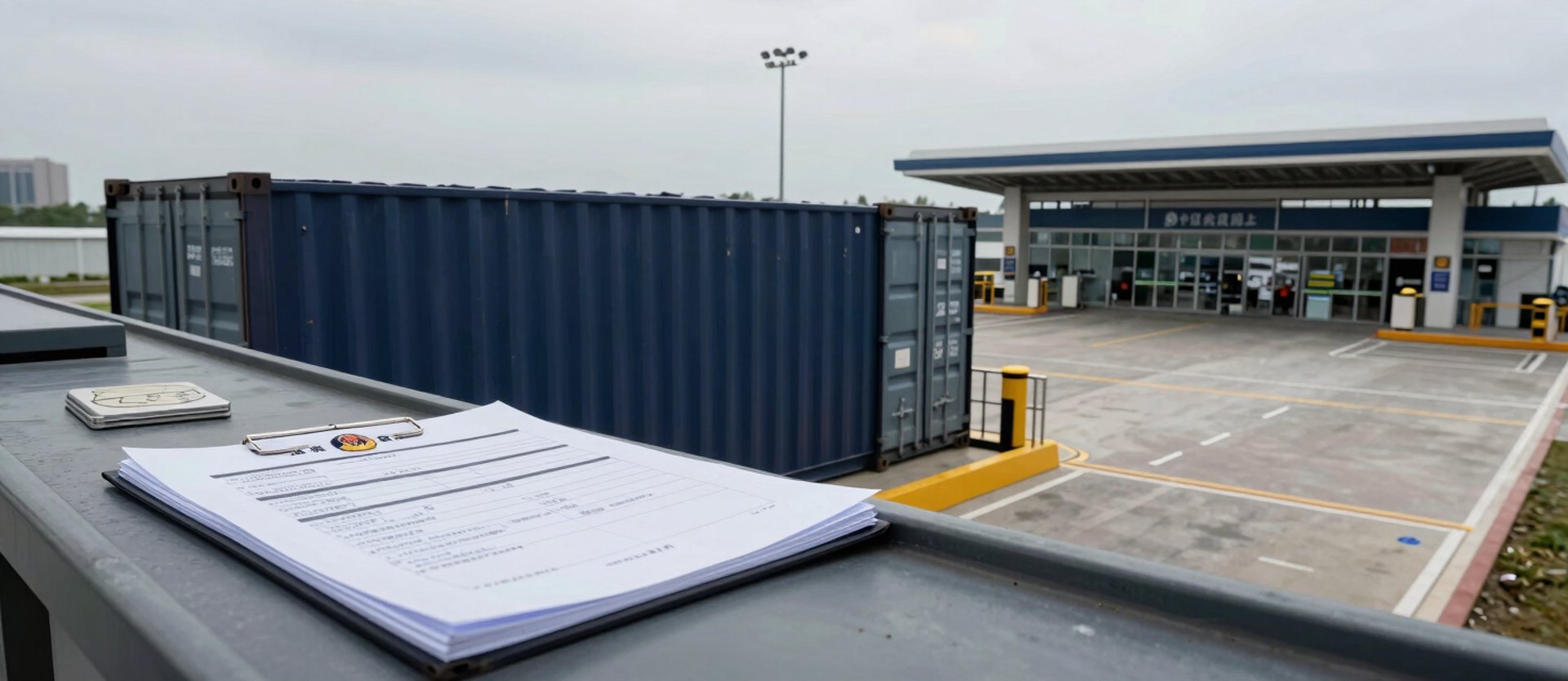
Filed before the vessel docks.
Every document — HS classification, duty calculation, entry filing — is complete before your shipment reaches the border. No scramble. No contingency language. A committed timeline or we account for the difference.
Three steps. Zero open questions at the border.
HS Classification by Route
Duty Calculation with a Deadline
Entry Filed. Border Cleared.
Entry documentation is transmitted to customs authorities before the shipment's estimated arrival window. Release confirmation goes to you, not a tracking portal. One contact owns the file from start to release.
Commodity codes are assigned against the specific destination tariff schedule — not a generic database lookup. Each active corridor has its own classification matrix we maintain and audit quarterly.
Landed cost and applicable duties are confirmed before cargo departs origin. You receive a binding figure — not a range — so treasury and procurement can plan without revision cycles.
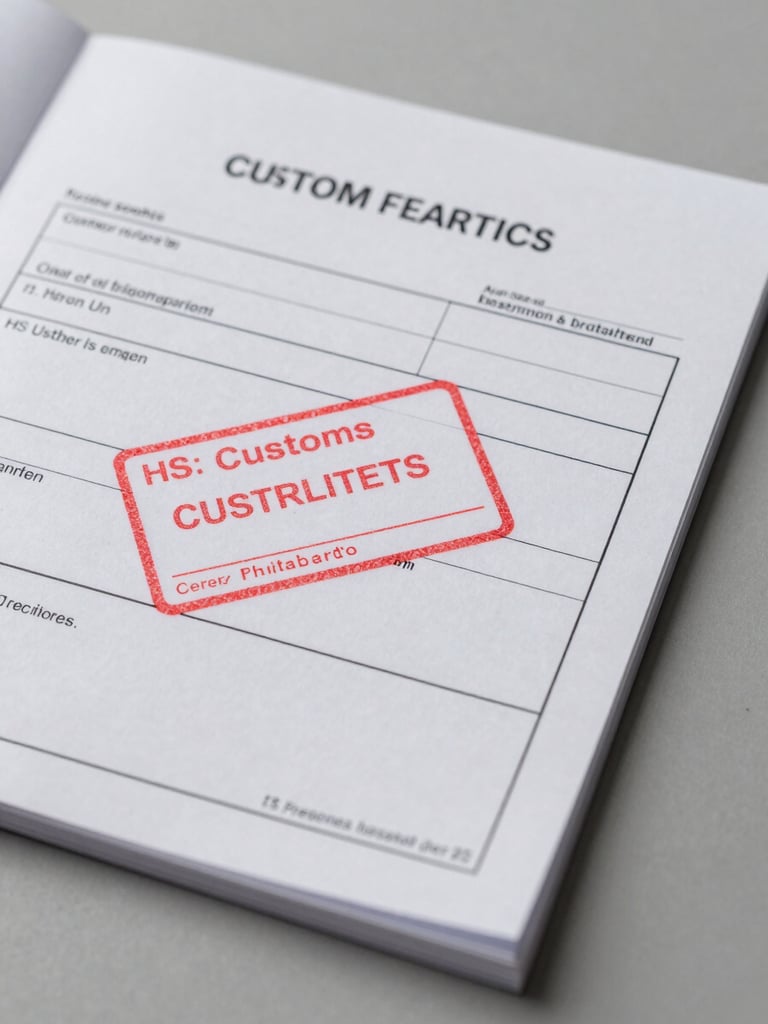
A timeline is a commitment, not an estimate.
When we quote a classification and filing window, it is a specification — the same kind your production schedule runs on. If it slips, you hear from us first with a cause and a revised date.
Active routes include US–Canada, US–Mexico, trans-Pacific ocean lanes, and EU import corridors. Each has a dedicated customs lead who knows that border's enforcement patterns, not a shared queue.
Tell us your route. We'll tell you exactly what happens next.
Bring your commodity, your origin, and your required delivery date. A customs specialist will map the documentation sequence and give you a filing timeline before the conversation ends.