
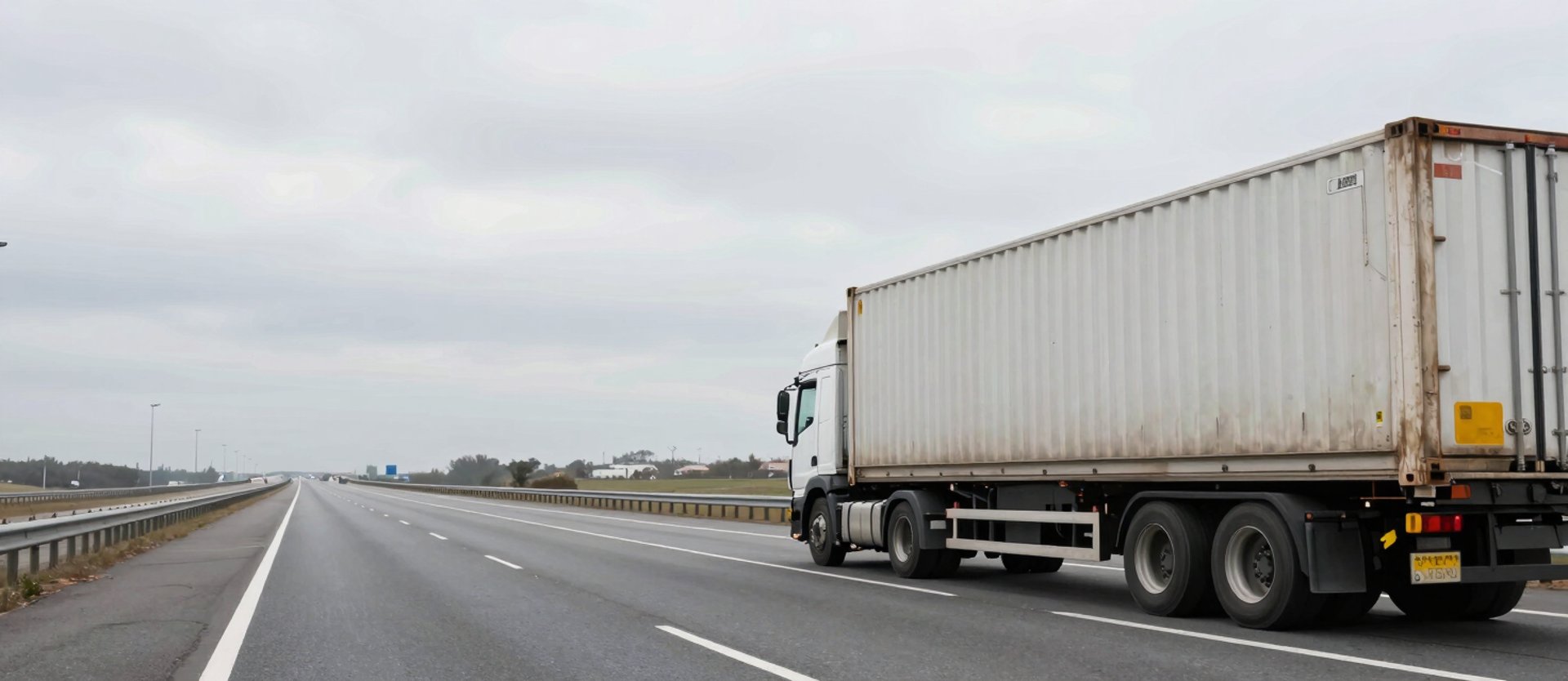
Committed windows. Named corridors. One operator.
Drayage, LTL, and FTL on defined lanes — pickup and delivery windows locked at booking, not revised after loading. The same contact who cleared your cargo at the border moves it to the door.
Three modes. Zero ambiguity.
Drayage
LTL
FTL
Full truckload on dedicated lanes: LA–Chicago, Houston–Toronto, Miami–Monterrey. Door-to-door delivery window committed at dispatch, not estimated on arrival.
Port-to-warehouse container moves on US East, Gulf, and West Coast terminals. Pickup confirmed within a 4-hour window at booking — not a next-day ETA range.
Less-than-truckload consolidation on US-Canada and US-Mexico corridors. Transit day counts stated at booking; no revision after freight acceptance.
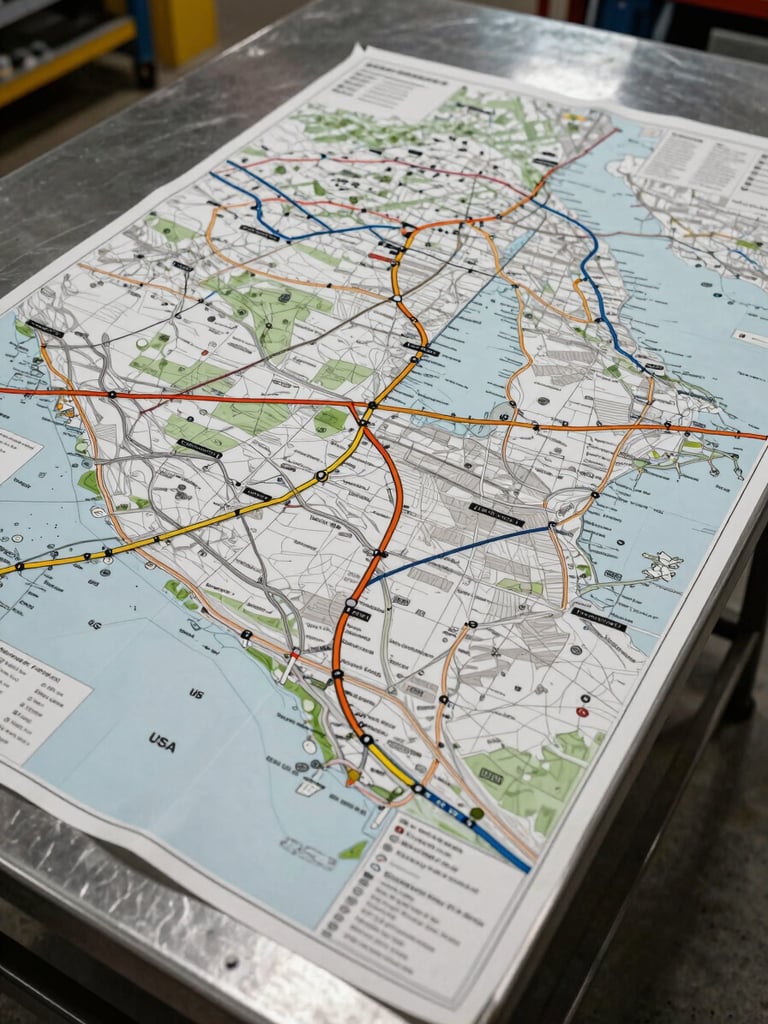
Routes we operate, not routes we claim.
US-Canada: Great Lakes, Pacific Northwest, and Atlantic gateway corridors. US-Mexico: Laredo, El Paso, and Otay Mesa crossings. Domestic port connections: Los Angeles, Houston, Savannah, Newark.
Every corridor is handled by the same contact managing your documentation. One person owns the file from border clearance to final delivery — no internal handoffs that lose context.